
Is Your Social Media a Legal Liability?
If your social content isn’t accessible, you’re leaving reach, revenue—and legal protection—on the table. Purpose Brand’s live workshop delivers a clear, practical path to ADA-compliant social content that reduces legal risk and expands reach.
.avif)
The Department of Justice is moving ahead with new Americans with Disabilities Act requirements. The clock is ticking. Are you ready?
Starting April 24, 2026, all public entities must meet specific requirements for web and mobile app accessibility, including their social media and live-audio content.
Companies doing business with the public have found one safe harbor to protect themselves from threats of litigation and align with international legal requirements. Federal courts and DOJ settlements nearly always use Web Content Accessibility Guidelines WCAG 2.1 Level AA as their accessibility standard. Now, for a wide range of public-facing organizations, WCAG 2.1 Level AA is the law.
Purpose Brand’s live workshop allows public and private entities to stop guessing about compliance. Most accessibility errors stem from simple daily content decisions, like skipping Alt text or not getting the right color contrast. These small mistakes don't just risk a lawsuit. They can actively suppress your content's reach.
The April date isn’t a suggestion–it’s a legal reset. Get your social media strategy in order before the deadline hits. Don’t let a lawsuit be your wakeup call.
The New Reality of Social Compliance
What used to be “best practice” is now federal law.
With the DOJ’s April 2026 deadline looming, your current social strategy isn't just underperforming; it’s becoming a legal liability. Americans with Disabilities Act Title II now applies to:
- State and local governments
- Public hospitals and health clinics
- Public schools, libraries, colleges and universities
- Parks, recreation, transit and special purpose districts
- Police and courts
- Public service contractors
Ensure every post meets WCAG 2.1 Level AA standards before federal enforcement begins. For a state or local government entity—or a contractor representing one—"standard" posting is no longer enough:
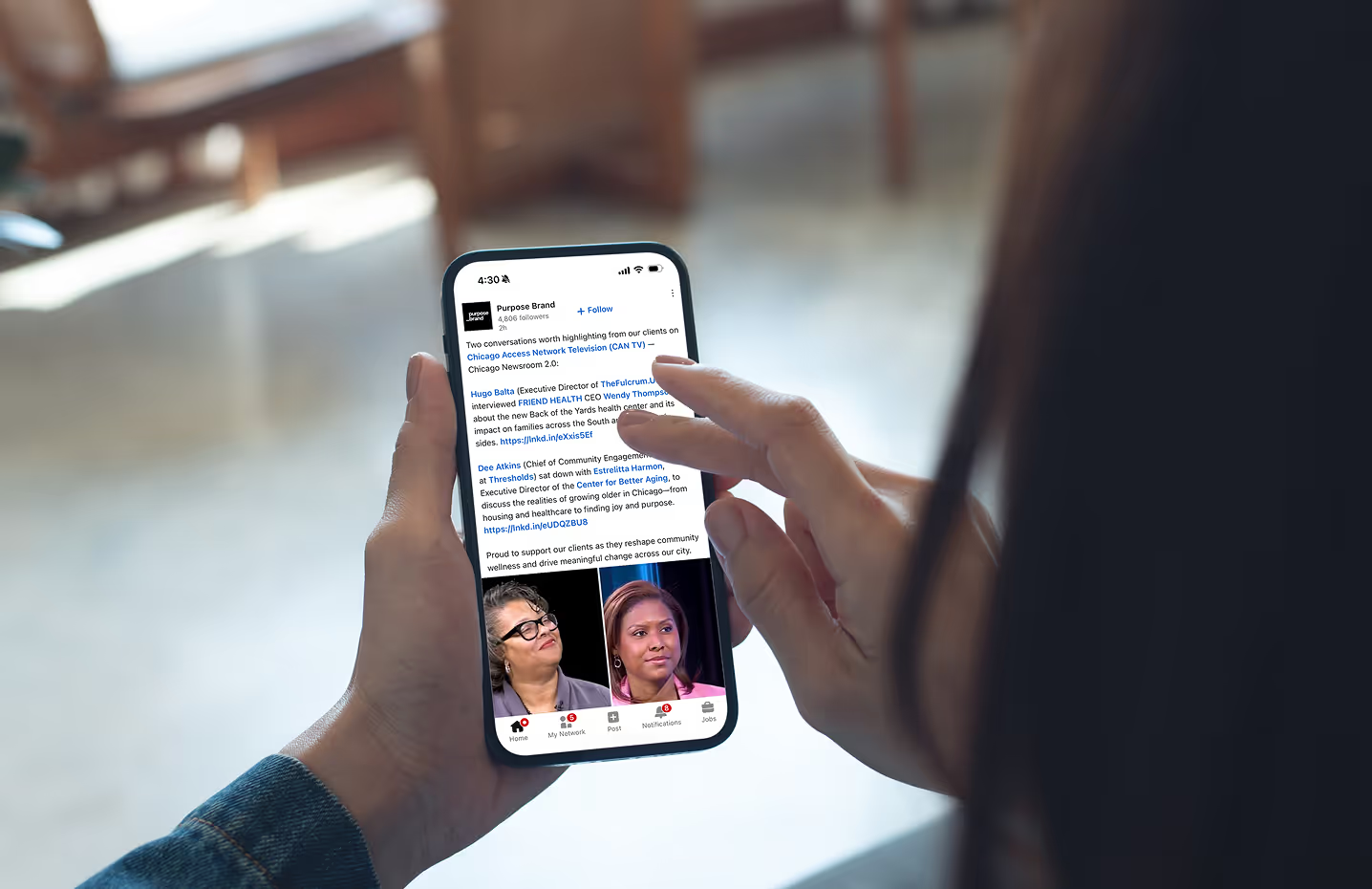
- Alt Text is Mandatory: Every image must have descriptive, meaningful alternative text.
- Video Captions: All video content must feature synchronized, accurate closed captioning.
- Post Captions: All verbiage for posts must use compliant structure, including spacing, links and emoji use.
Why Compliance Can’t Wait

Lawsuits Are Accelerating

You Can Lose Business Before You Pitch

WCAG 2.1 AA Is the Global Standard

Accessibility Is an Ongoing Operational Challenge
Why the April 2026 Deadline Matters
What Does the ADA Compliance Training Workshop Cover?

Register for the Workshop
90-minute live virtual workshop (60 minutes instruction, 30 minutes Q&A)

Clear Social Bottlenecks
Social media managers move fast. A personal consultation looks at the team's existing tools and builds accessibility into the workflow. Discover the “curb cuts” that immediately boost access and engagement with key audiences, not just user experience edge cases.
- Audit your brand’s specific history and identify high-risk habits.
- Reach the 85% of social video viewers who watch without sound.
- Learn the click paths for adding Alt text on each of your social channels.
- Get best-practice recommendations on Canva, Sprout Social and other third-party apps.
- Audit “link in bio" functionality and other common failure points.
- Ensure your inclusive outreach is more than performative.
Stop Guessing: Schedule a Custom Review
Resources & Verification
These resources apply directly to managing your social media compliance program:
- Read the Official DOJ Fact Sheet on the New Rule
- Check your current linked sites via the W3C Accessibility Checker
- Contact our Compliance Consulting Team

